Historical report: Published November 13, 2026, at 19:26 (UTC+8). This article explains the token mechanisms discussed in an original analysis by WallStreetBets, translated by Luffy for Foresight News and published by PANews.
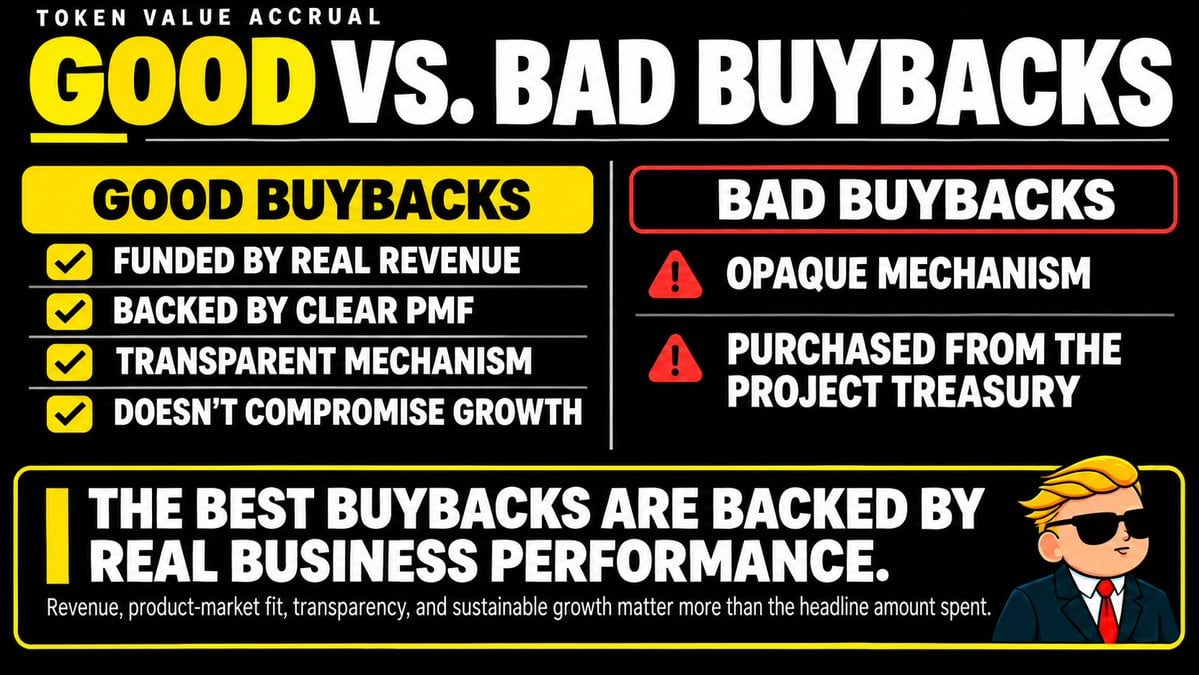
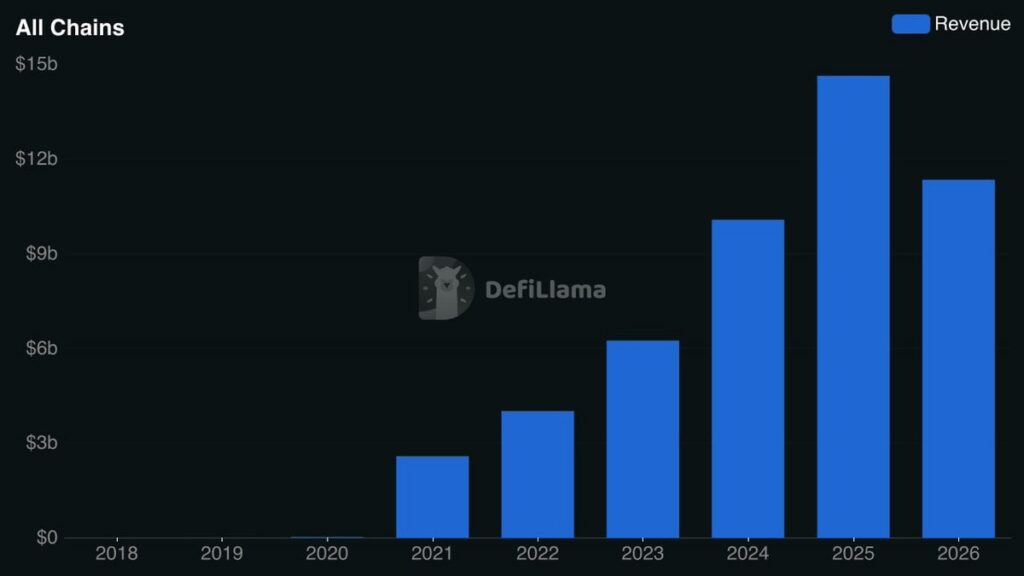
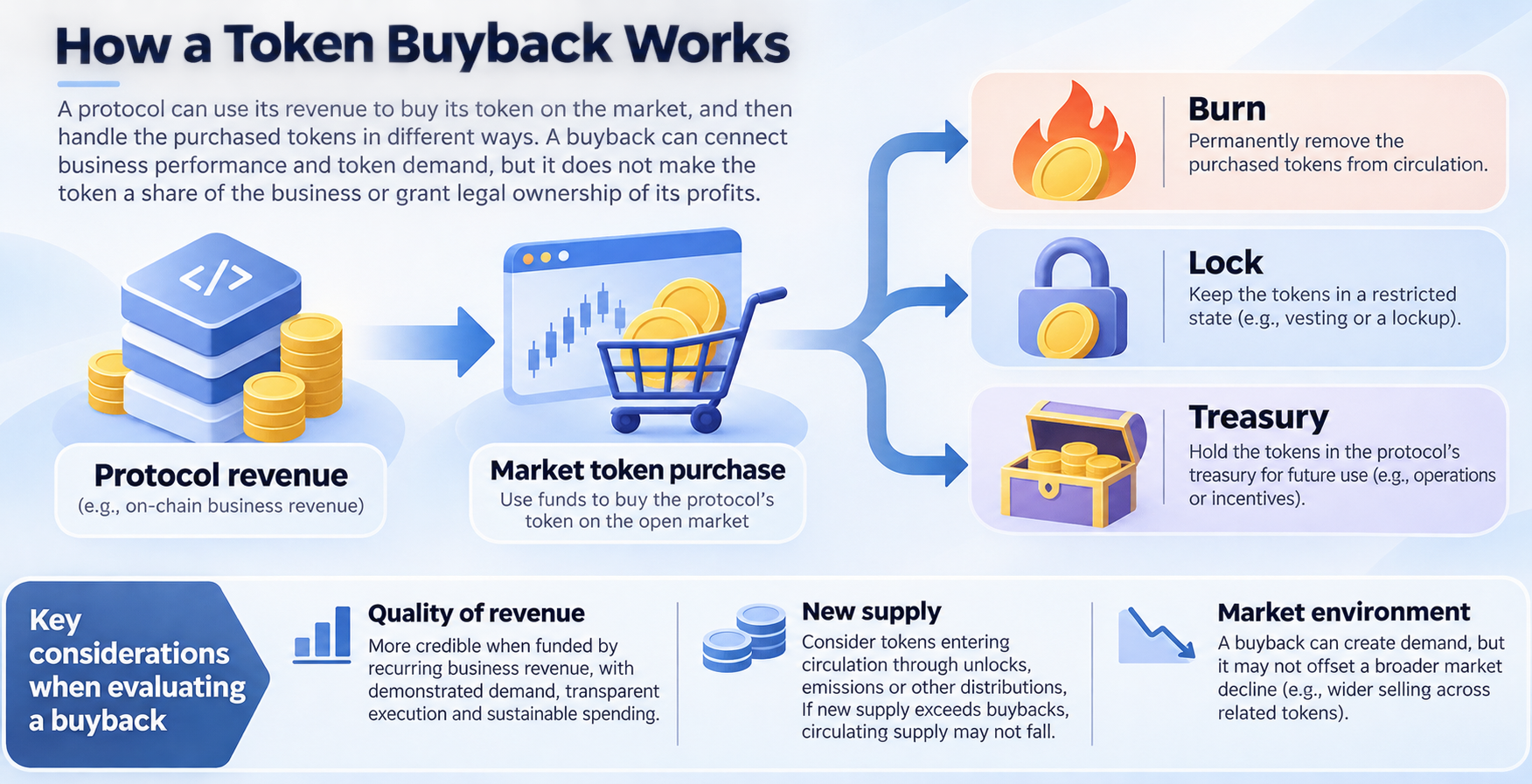
A protocol can earn revenue without giving its token holders a claim on that revenue. As the original author notes, most crypto tokens do not grant legal ownership of the underlying business or its profits. A buyback is one way a project may connect the two: it uses funds to purchase its token on the market, then burns the purchased tokens, locks them or places them in a treasury. Those outcomes are different, and none makes the token equivalent to a share of the business.
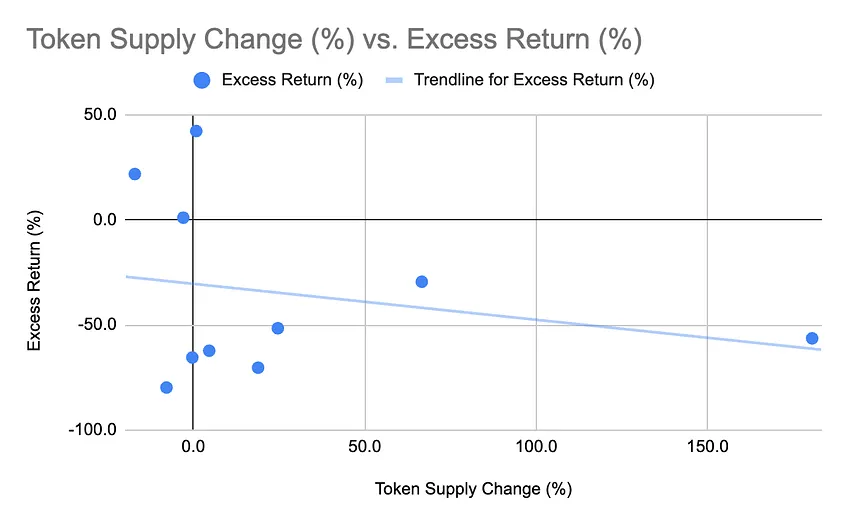
Revenue is only part of the supply picture
The author argues that a buyback is more credible when it is funded by recurring business revenue, the product has demonstrated demand, execution can be independently checked, and spending does not undermine the project’s other needs. Even then, purchases must be considered alongside new supply: tokens entering circulation through unlocks, emissions or other distributions. If new supply exceeds the amount bought back, buyback spending alone does not establish that circulating supply has fallen.
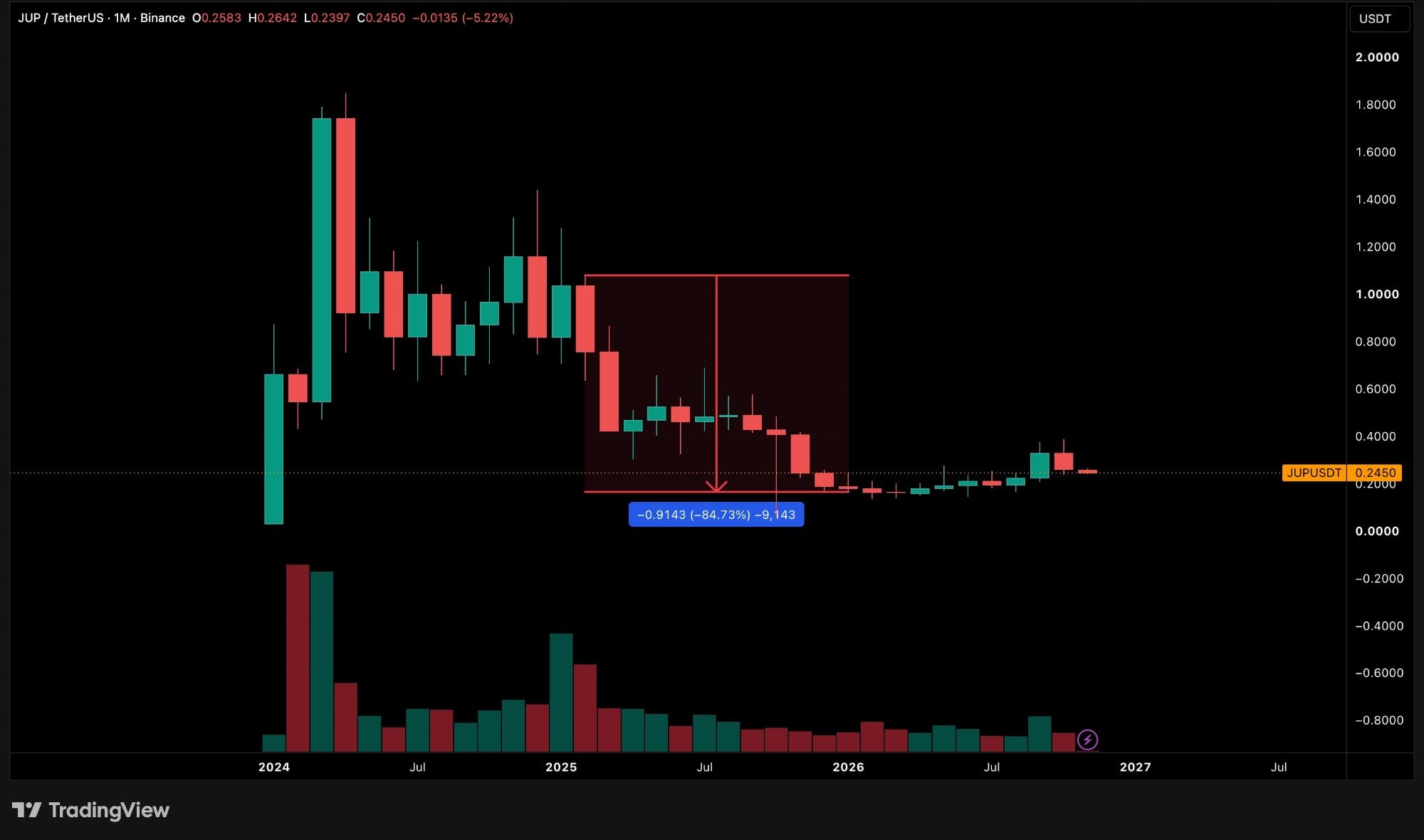
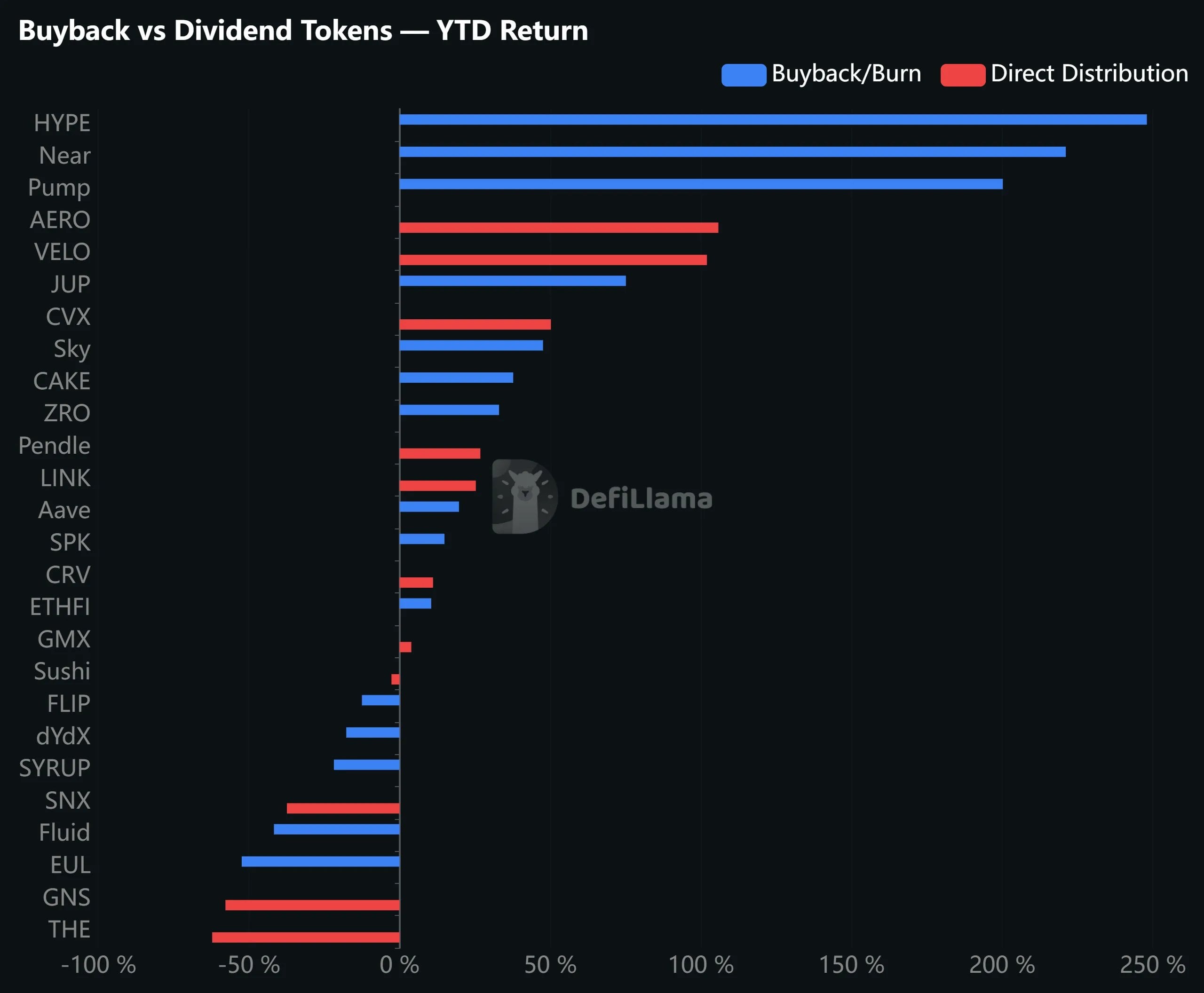
Jupiter illustrates another limit. According to the analysis, it began allocating 50% of on-chain protocol revenue to JUP buybacks in February 2025 and had spent more than $70 million by January 2026, yet JUP continued to fall sharply. The author points to wider selling across Solana-related tokens during that period; a buyback can create demand without overcoming a broader decline.
What the reported comparisons show—and do not show
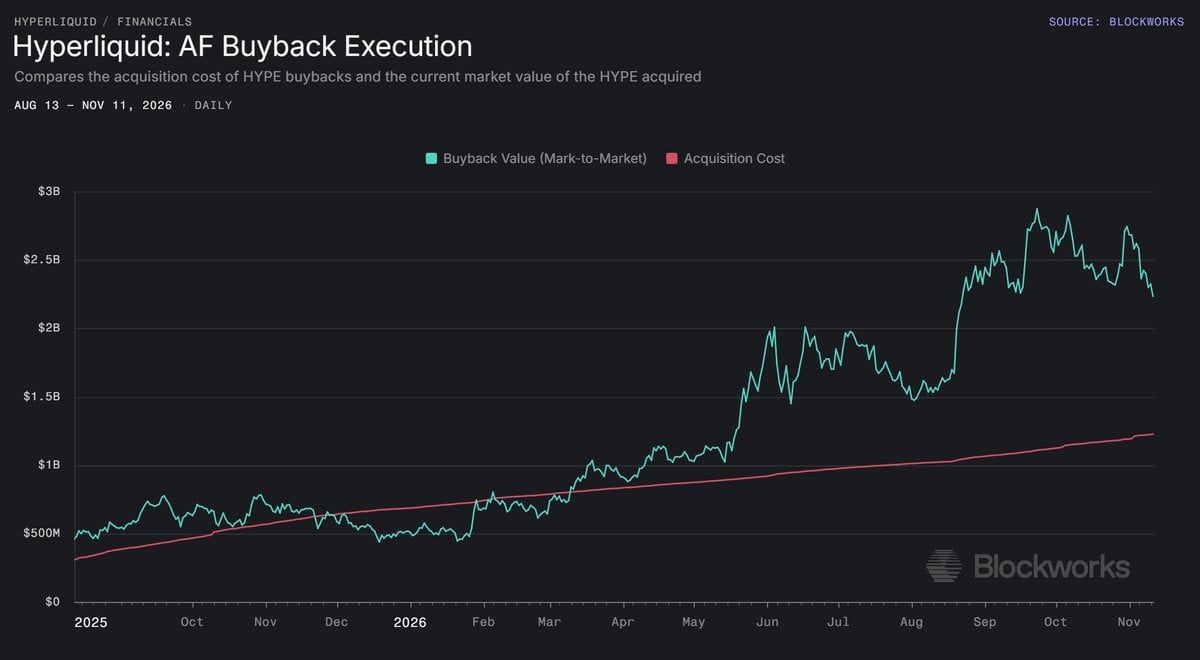
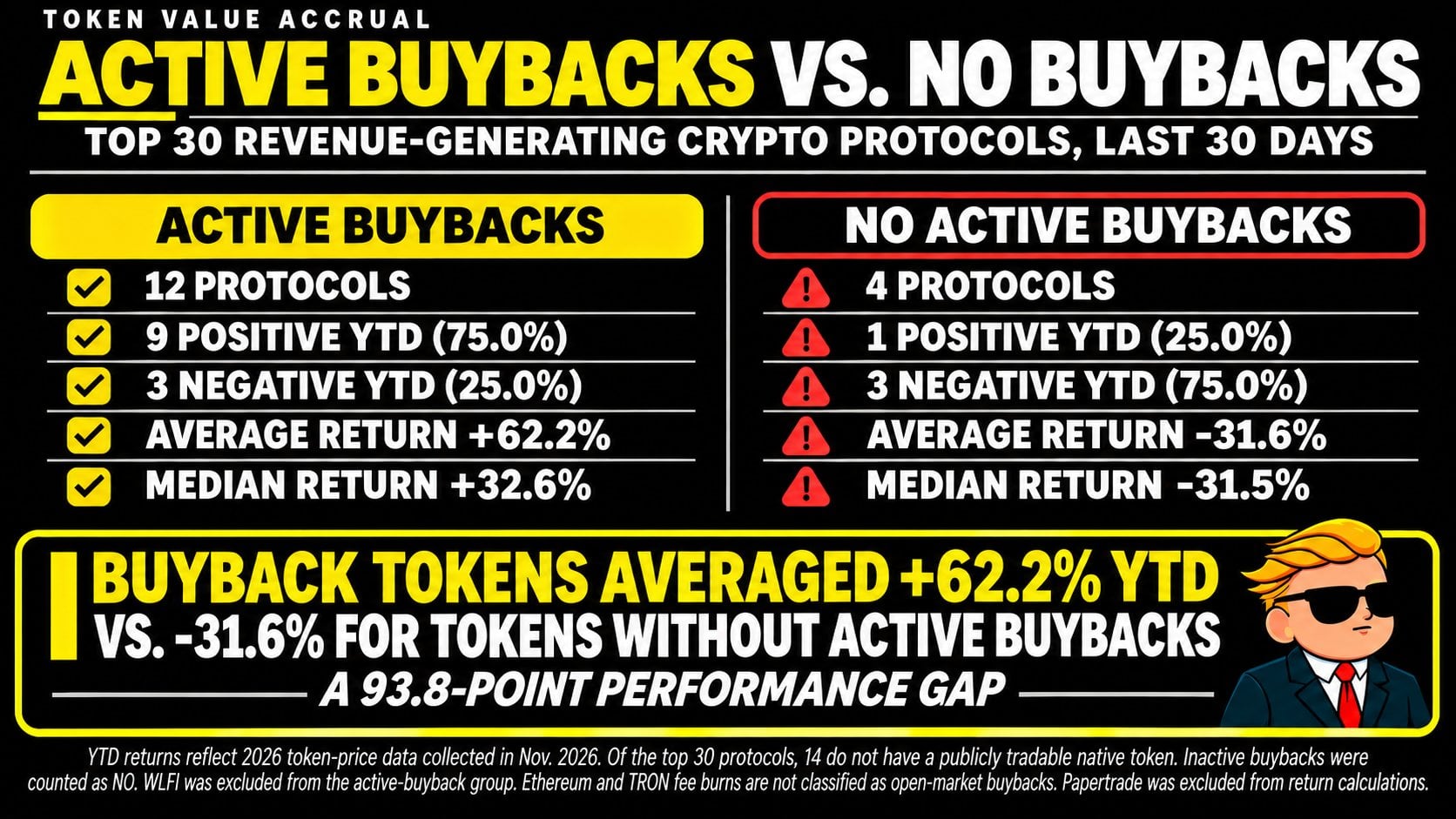
The analysis says 28 major projects spent more than $1.4 billion on token buybacks in 2025, but only three buyback-program tokens—AAVE, HYPE and SKY—outperformed Bitcoin during their respective buyback windows. For 2026, the author examined the 30 protocols with the highest revenue over the preceding 30 days. Fourteen had no publicly tradable native token. Of the remaining 16, the 12 with active buybacks had an average year-to-date token return of +62.2%, compared with −31.6% for the four without active buybacks. That is a comparison of selected groups, not evidence that buybacks caused the difference or a promise of future returns.
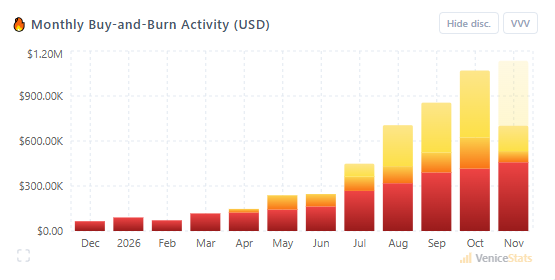
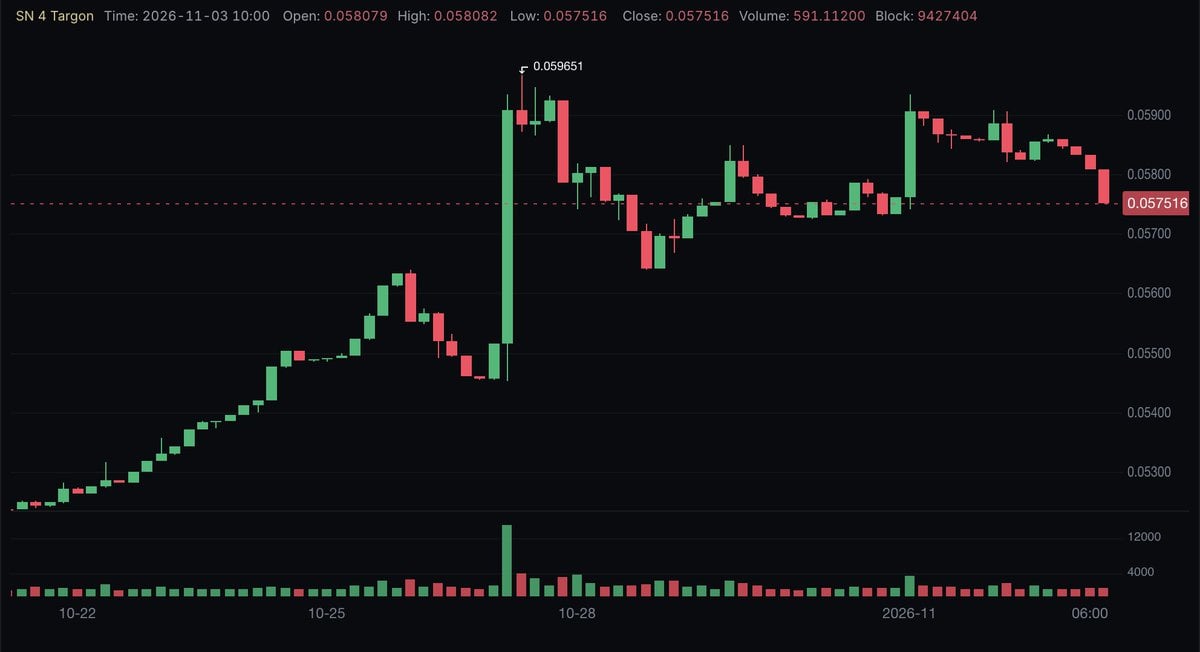
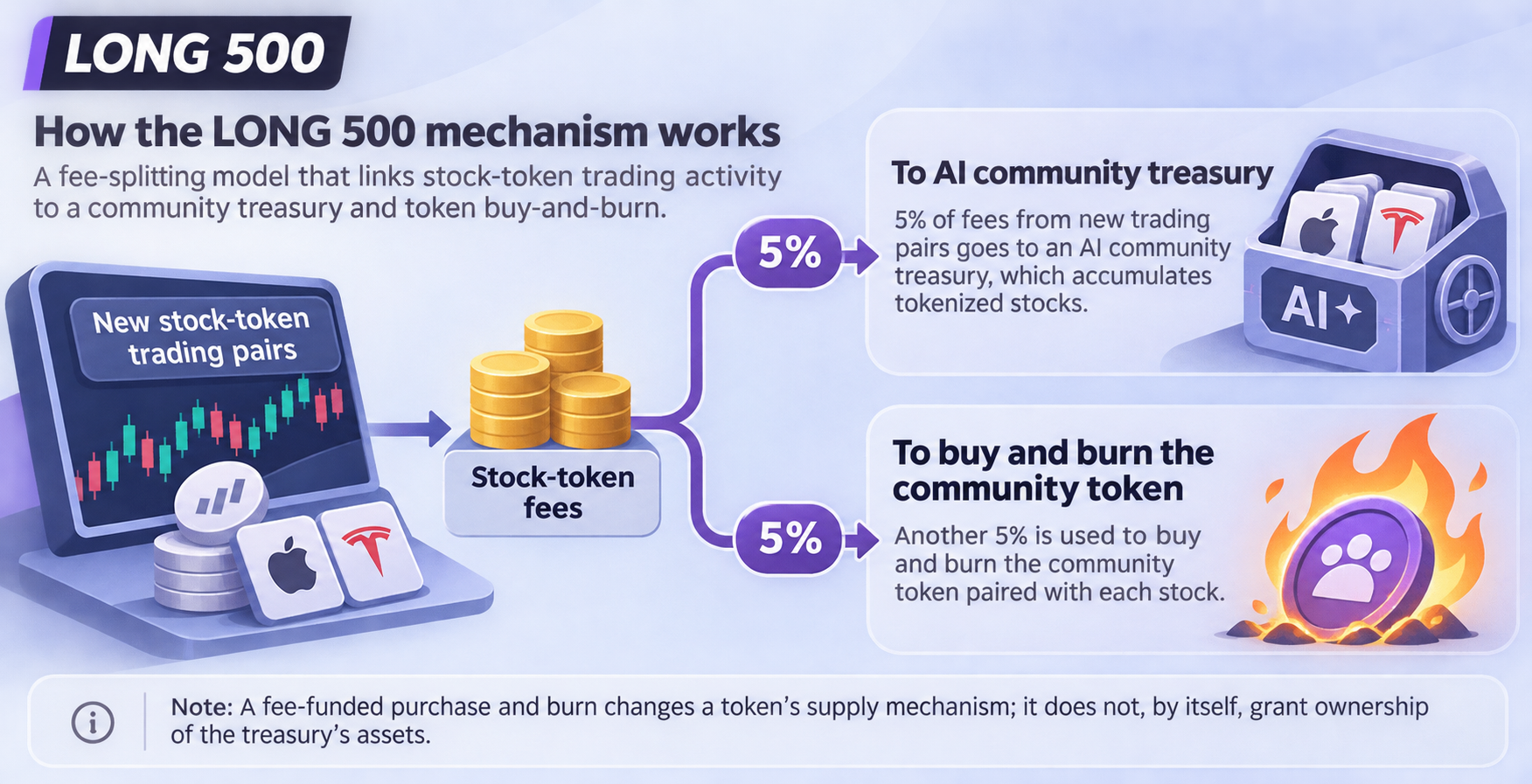
Projects also design different routes from activity to token demand. The analysis describes LONG 500, introduced by longdotxyz in September 2026, as directing 5% of stock-token fees from new trading pairs to an AI community treasury holding tokenized stocks, and another 5% to buy and burn the community token paired with each stock. The distinction for a holder is concrete: a fee-funded purchase and burn changes a token’s supply mechanism; it does not, by itself, grant ownership of the treasury’s assets.
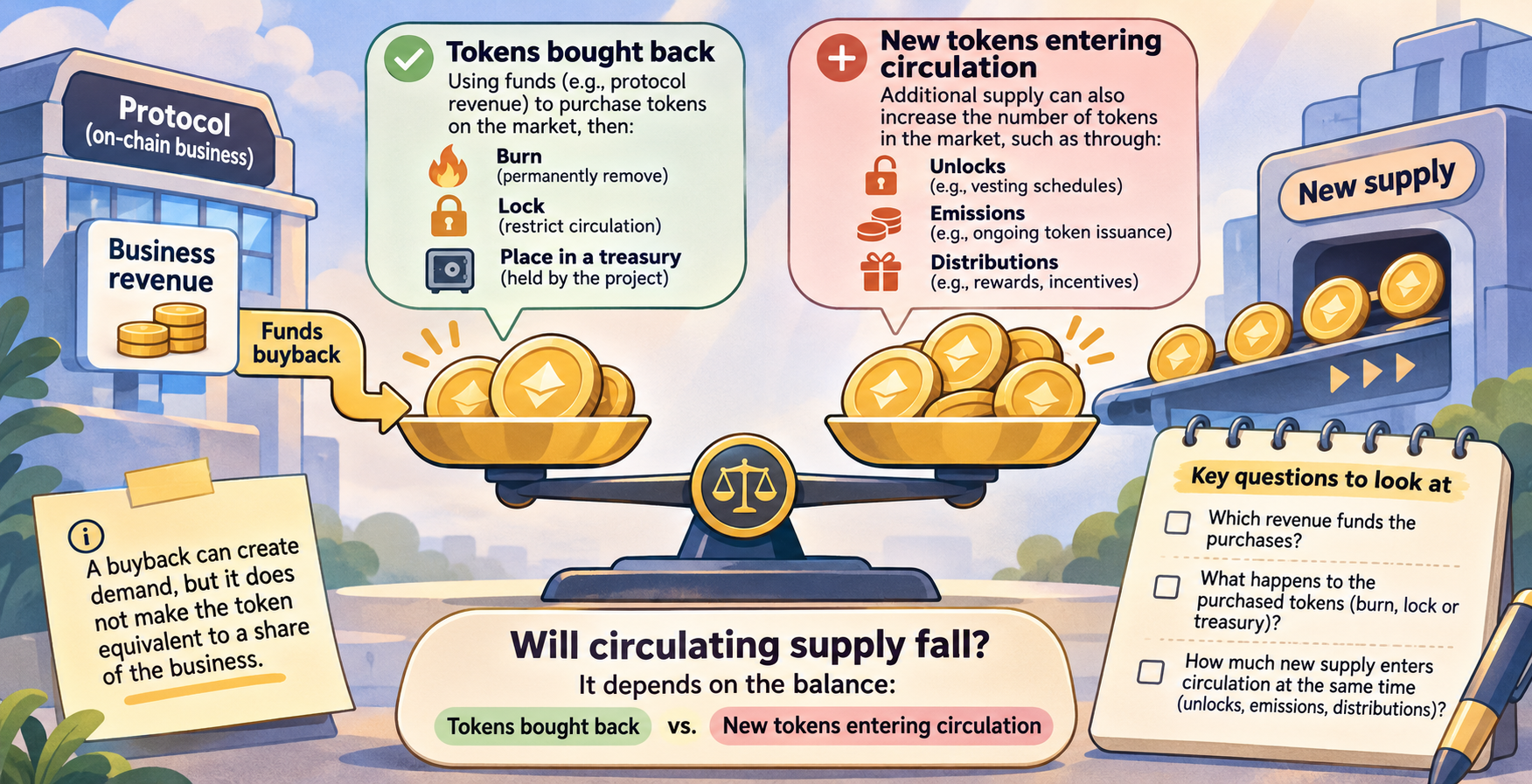
The practical question is therefore not simply whether a protocol earns money or announces a buyback. It is which revenue funds purchases, what happens to purchased tokens, and how much new supply enters circulation at the same time.
Source: panewslab.com (originally published 2026-11-13 19:26 UTC+8)