Originally reported by PANews on November 10, 2026 (15:55 UTC+8). The figures below reflect that reporting period, not current conditions.
PANews reported that, in a November 8 post on X, Ethereum co-founder Vitalik Buterin favored thinking about ETH as a store of value rather than anchoring its value to transaction-fee burns. That shifts the question for token holders: if using Ethereum no longer burns large amounts of ETH, why would people continue to hold it?
What ETH does—and what that does not guarantee
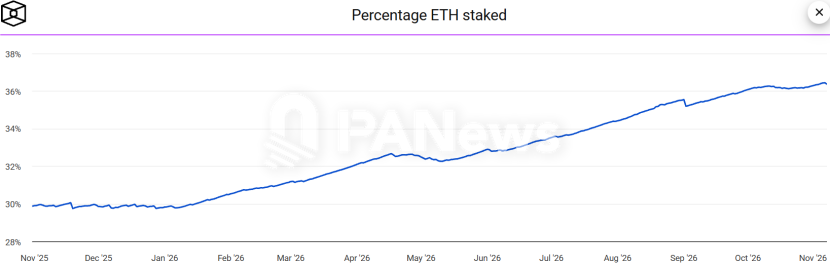
ETH pays for activity on Ethereum. It can also be staked to help secure the network in exchange for rewards, or used as collateral in lending markets such as Aave. Citing The Block, PANews said 36.36% of circulating ETH was staked at the time of its report, compared with 29.91% a year earlier.
Those uses can create reasons to hold ETH, but they do not make every activity on Ethereum a purchase of ETH. PANews offered a hypothetical example: an institution could issue tokenized Treasury bonds on Ethereum, use the bonds as collateral, receive Treasury coupon income and settle in USDC, while needing only a small amount of ETH for network fees. Nor does holding ETH confer a claim on the revenue of every application built on Ethereum.
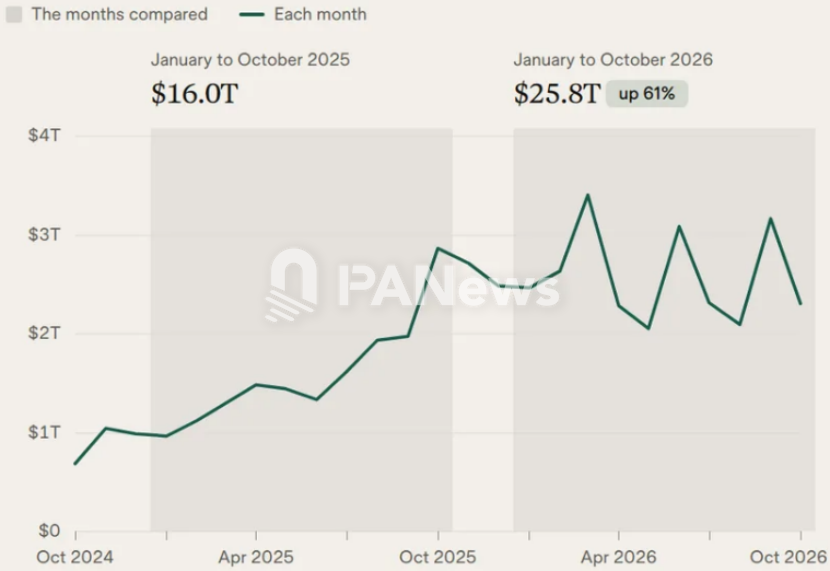
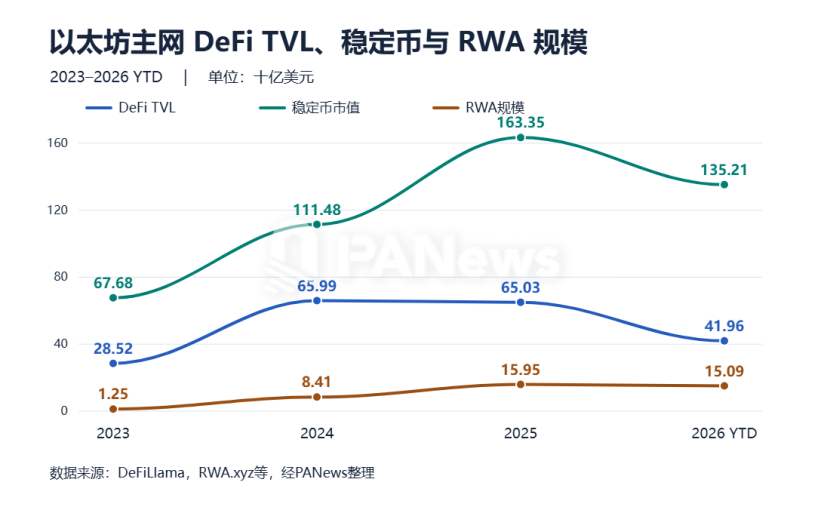
PANews cited Ethereum Institutional research putting mainnet stablecoin transfers at $25.8 trillion in the first ten months of 2026, up 61% year over year. It also cited DeFiLlama figures of roughly $42 billion in mainnet DeFi total value locked, more than $135 billion in stablecoin market capitalization and $15 billion in real-world assets. These measures describe activity on Ethereum; they do not, by themselves, measure net demand for ETH.
Why the burn argument has weakened
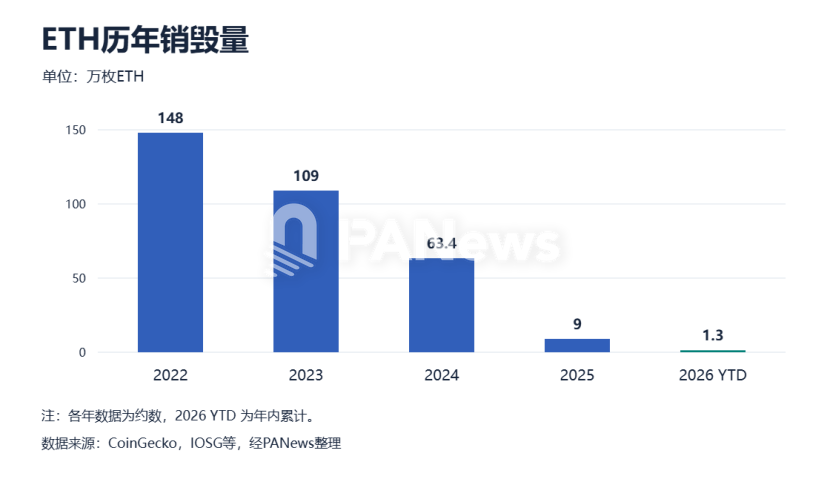
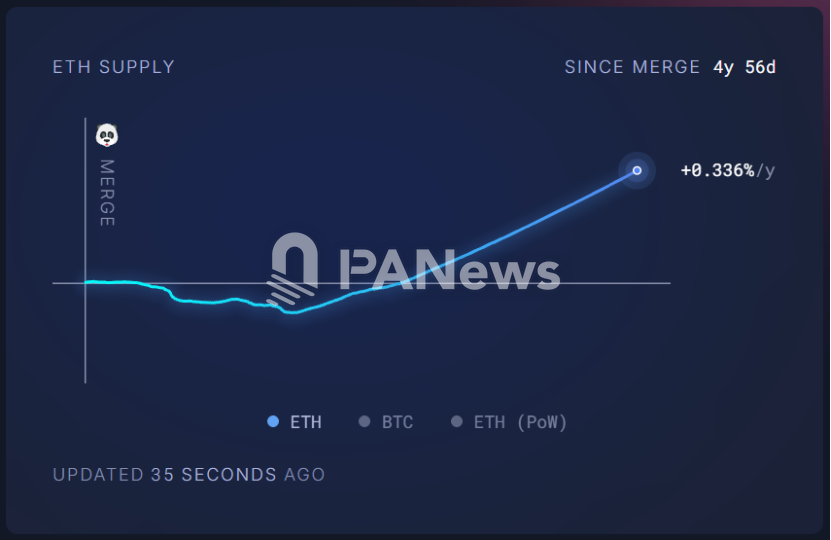
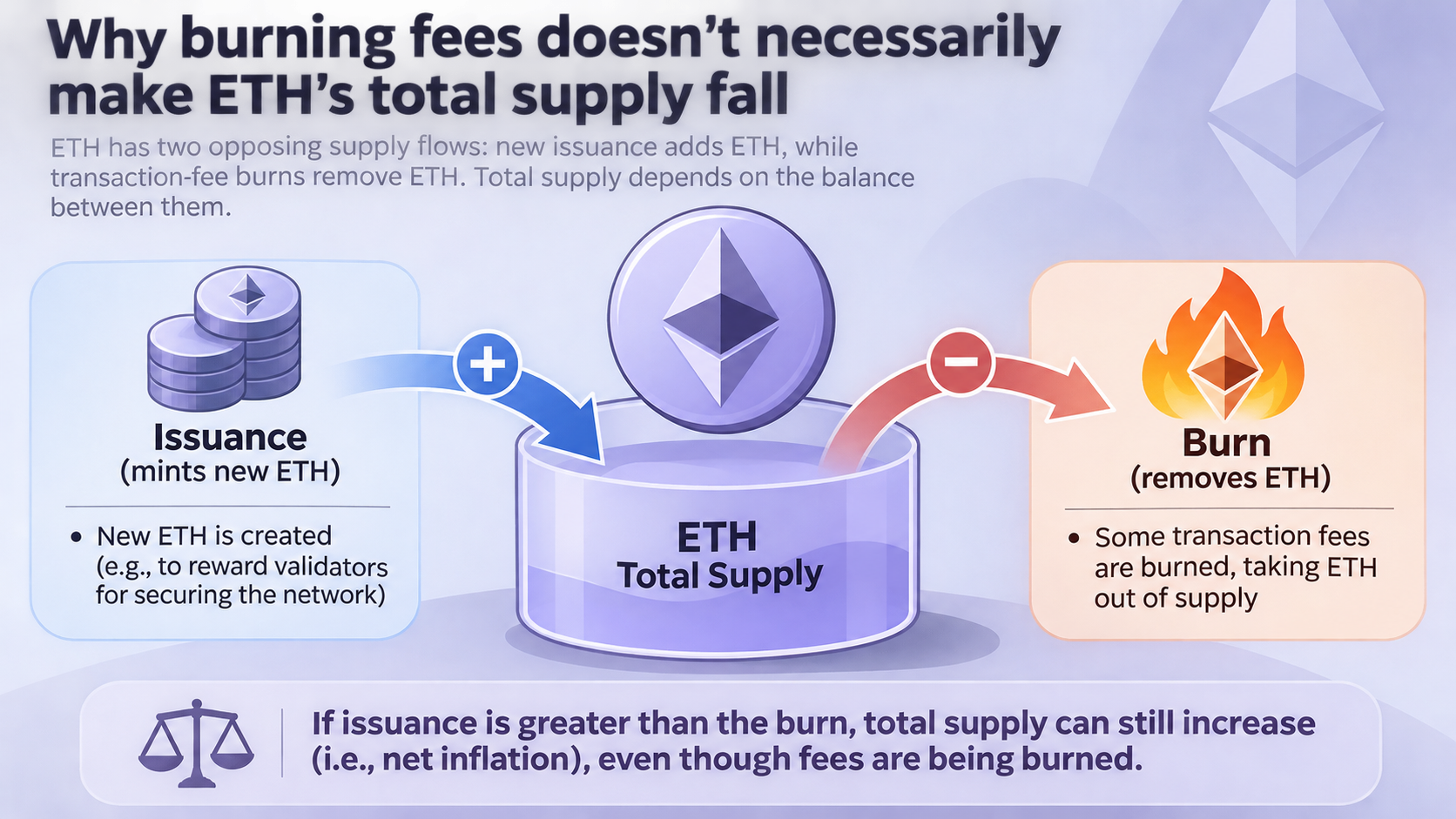
Some Ethereum transaction fees are burned, removing ETH from supply. But PANews reported that about 1.48 million ETH was burned in 2022, versus about 13,000 ETH so far in 2026 as of November 10—a decline of more than 99% by token count. It also said ETH had returned to net inflation in February 2025. A burn reduces supply, but it does not ensure that total supply falls if issuance exceeds the burn.
PANews described a calculation from Buterin: a hypothetical, steady $1 billion in annual fee burns would have a theoretical present value of about $25 billion at a 4% discount rate. At ETH’s approximately $260 billion market capitalization cited in the article, the same calculation would require a sustained $10.4 billion in annual burns. Transaction fees are not a steady cash flow, so this is an illustration of the old valuation argument, not a price target.
Where fees are going
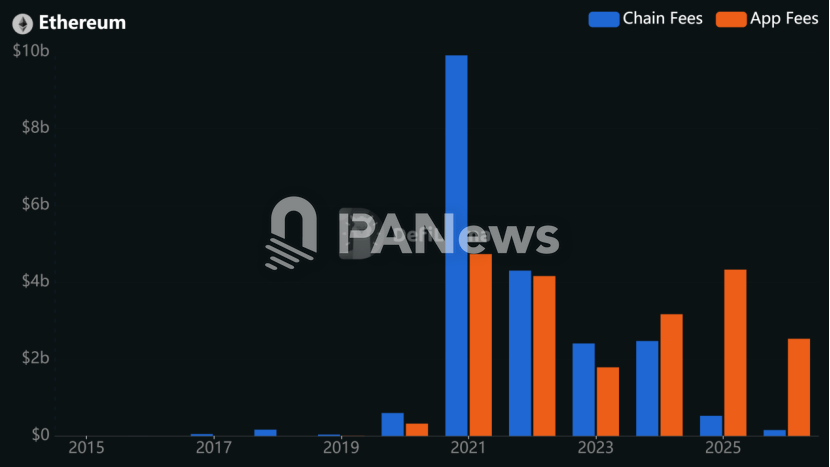
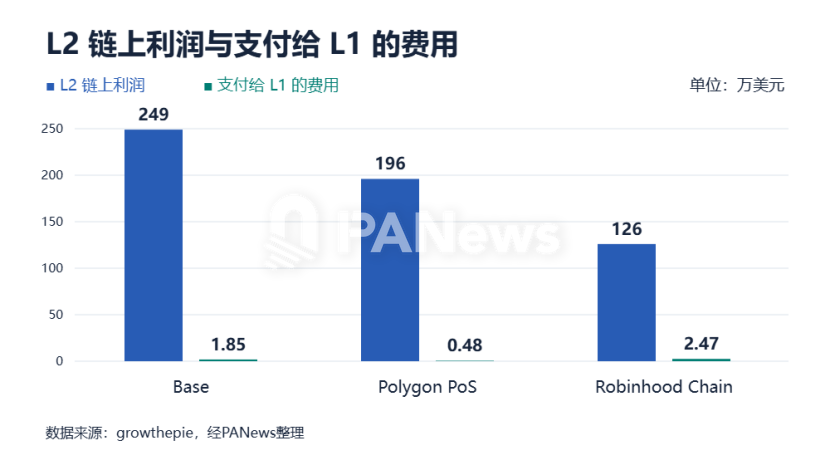
Lower-cost transactions and Layer 2 networks complicate the link between Ethereum usage and ETH burns. PANews cited DeFiLlama figures for 2026 through its reporting date of about $152 million in Ethereum mainnet fees, against $2.529 billion in application-layer fees. Citing growthepie, it also reported that the three leading Ethereum Layer 2 networks made about $5.71 million in combined on-chain profit over the preceding 30 days while paying about $48,000 in combined settlement fees to mainnet. Base accounted for about $2.49 million of that profit and $18,500 of those mainnet fees.
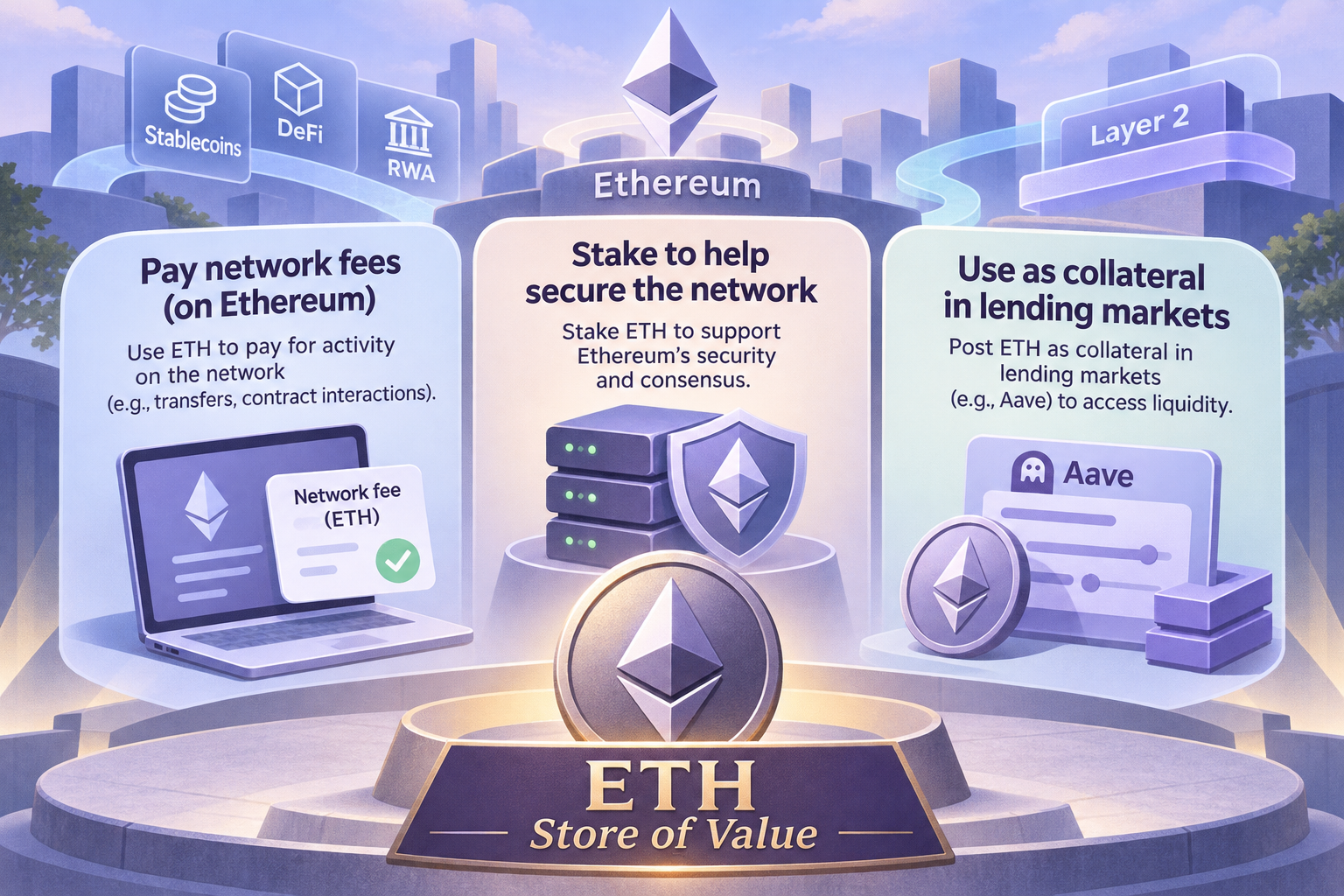
Layer 2 networks can make transactions cheaper and enable uses that high fees might discourage. Whether additional activity will outweigh lower fees per transaction remains uncertain. The practical distinction for token readers is between Ethereum being useful infrastructure and that usefulness creating sustained demand to hold ETH. Buterin’s reported store-of-value framing places more weight on the second question; it does not resolve it.
Source: panewslab.com (originally published 2026-11-10 15:55 UTC+8)